
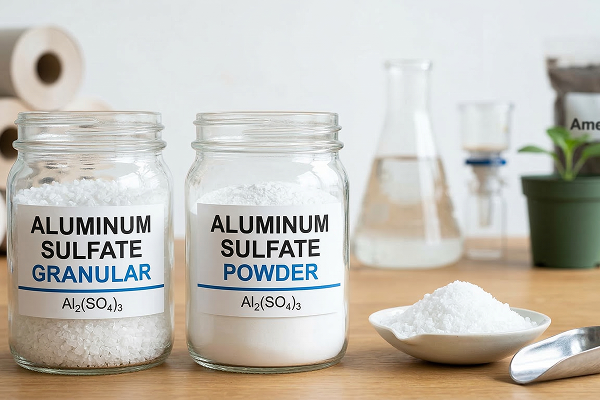
Aluminum Sulfate
Aluminum sulfate is a white, crystalline salt commonly used as a coagulant in water treatment and paper manufacturing. It works by causing microscopic impurities to clump together (flocculation), allowing them to be removed. It is highly soluble in water, non-combustible, and often known
- Primarily used to treat municipal and industrial water, removing phosphorus and suspended solids.
- Used as a sizing agent or binder to improve ink absorption.
- Handling: It is non-toxic but can release toxic sulfur oxides when heated to decomposition
- Used in landscaping as a soil amendment to lower pH.
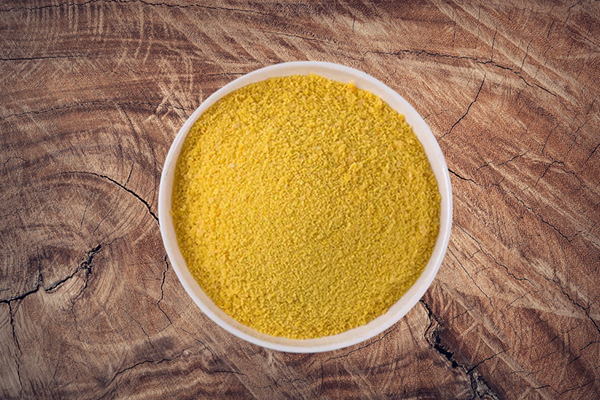
Poly Aluminum Chloride
Highly efficient inorganic coagulant used for water treatment, industrial wastewater purification, and paper sizing. It works by clumping contaminants, colloidal matter, and suspended solids into larger, easily removable flocs. It is effective across a wide pH range, in both liquid and powder forms.
- Municipal & Industrial Wastewater: Efficiently removes heavy metals, suspended materials, and phosphorus.
- Drinking Water Purification: Used extensively to treat potable water.
- Safety: While used for water treatment, it can be slightly hazardous if inhaled or contacted directly, requiring careful handling.
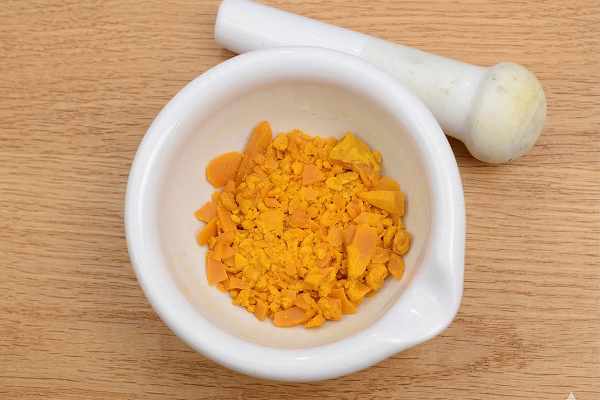
Ferric Chloride
A dark brown, highly acidic, and corrosive liquid commonly used as an etchant for printed circuit boards (PCBs) and a flocculant in water treatment. It is produced as an aqueous solution (often 40% w/w) with a faint HCl odor. It acts as a strong oxidizer and Lewis acid.
- Strongly acidic (generally pH < 2).
- Sewage/wastewater treatment, industrial waste processing, metal degreasing, and as a Mordant in dyeing.
- Causes severe skin burns and eye damage. Inhalation of mist can cause respiratory irritation.
- Ferric chloride is highly corrosive, meaning it should not be stored in metal containers. Use PVC or other acid-resistant plastics. Keep away from oxidizing agents and strong bases.
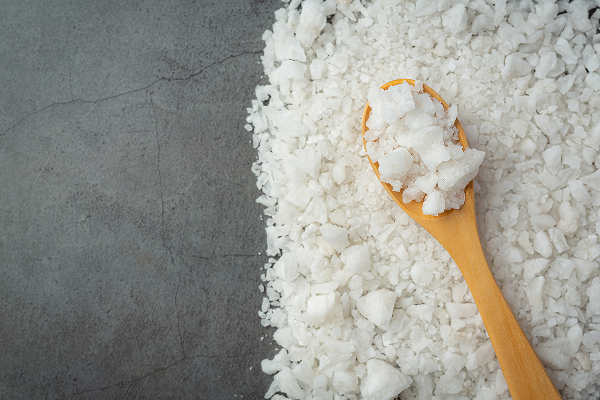
Calcium Hypochlorite
Calcium hypochlorite is a powerful, white, granular, or tablet-form oxidizing agent commonly used as a sanitizer for swimming pools, drinking water, and as a disinfectant.
Chlorine Powder or Bleach Powder, it typically contains 65–73% available chlorine. It is highly effective but corrosive and poses serious health risks.
Drinking water, and wastewater, it is preferred for its high chlorine content, though it can increase water hardness.
Used as an oxidizing agent, particularly for creating chloroform, chlorohydrins, and in C-C bond cleavage.
Calcium Hydroxide
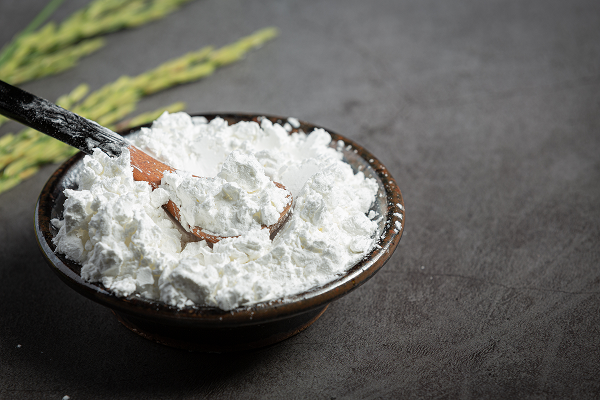
Calcium hydroxide is an inorganic white powder, commonly known as slaked lime, hydrated lime, or pickling lime. It is produced by adding water to calcium oxide (quicklime). It is a strong base widely used in industrial applications such as wastewater treatment.
Formed by “slaking” calcium oxide with water, a process that releases heat.
Sewage treatment to adjust pH, in the construction industry as a component of mortar, plaster, and cement, and in the chemical industry.
As a strong base, it can pose risks, including damage to eyes, skin, and the respiratory system.
Cationic Polymer
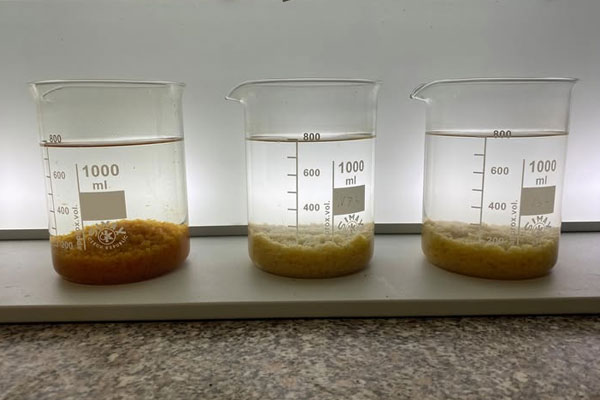
Cationic polymers are water-soluble, positively charged macromolecules (natural or synthetic) widely used as flocculants for sludge dewatering, water treatment, and industrial wastewater, especially to remove negative contaminants. They are also used in biotechnology for drug and nucleic acid delivery due to their ability to form nanoparticles.
Water Treatment: Used for rapid settling, sludge reduction, and filtering in various industrial processes.
Chemical Structure: Contain positively charged groups (primary, secondary, or tertiary amines) on the polymer backbone or side chains.
Types: Available in both powder and liquid forms.
Environmental Sensitivity: Performance can be affected by extreme pH values and high temperatures.
Anionic Polymer
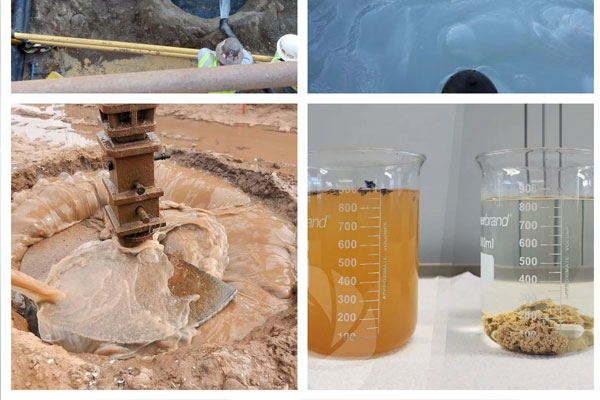
Anionic polymers are water-soluble, high-molecular-weight polyelectrolytes carrying negative charges, widely used as flocculants and coagulants to remove suspended solids in industrial wastewater treatment.
Function: Act as flocculants in industrial water, sewage treatment, mining, and oil drilling.
Anionic Polymer (Material): refers specifically to the finished product containing negatively charged groups (e.g., carboxylate groups), which may or may not be produced via the anionic polymerization mechanism described above.
Wastewater Treatment: Ideal for flocculating suspended organic and inorganic solids, and reducing turbidity.
Sodium Chloride
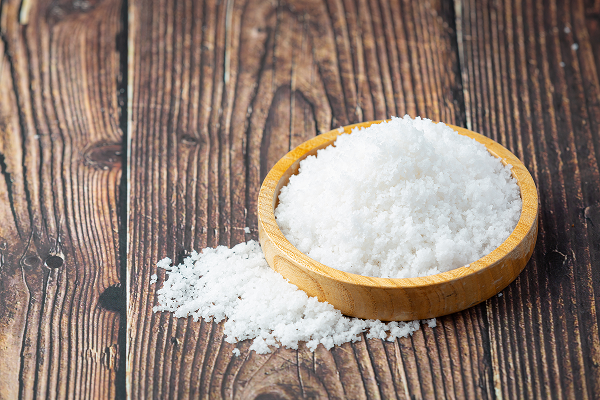
Sodium chloride, commonly known as salt, is essential for food seasoning and preservation, industrial chemical manufacturing, de-icing roads, and medical applications such as hydration, cleansing wounds, and intravenous saline solutions.
Solubility: Highly soluble in water.
Chemical Manufacturing: Used in the production of chlorine, sodium hydroxide.
Water Softening: Common component in water softening units.
De-icing: Used extensively on roads and sidewalks to melt snow and ice in cold climates.