
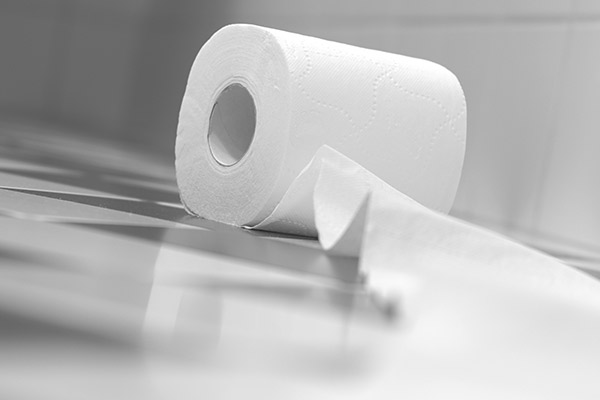
Creping Additives
In the tissue and towel manufacturing process, creping is a crucial step for obtaining the desired sheet properties. Creping process impacts e.g. the softness and bulk of the sheet.
Crepe additives, crepe releases, and crepe modifiers ensure creping process performance. Combined with our tissue process expertise and unique tools for sheet quality analysis, we can help our customers optimize the sheet characteristics.
- control tissue sheet transfer from the felt to the cylinder
- Optimize contact adhesion at the creping blade
- Lubricate metal to metal surfaces
- Plasticizers: uniformly soften the coating
- Humectants: hold moisture in the coating
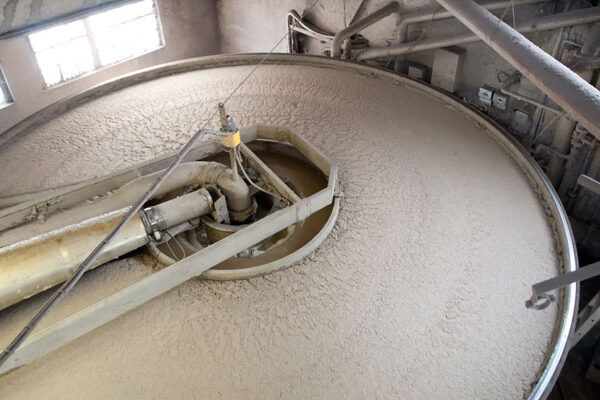
Defoamers
Water-based/-extended, silicone-based, oil-based and synthetic / ester-based defoamers used in various municipal and industrial applications, such as wastewater treatment, inks, paints and coatings, mining, cooling towers, recycling/washing and many more.
- Water-based Foam Control
- Water-extended oil-based Foam Control
- Oil-based Foam Control
- Oil-free Foam Control
- Silicone-based Foam Control
- Food-grade Foam Control
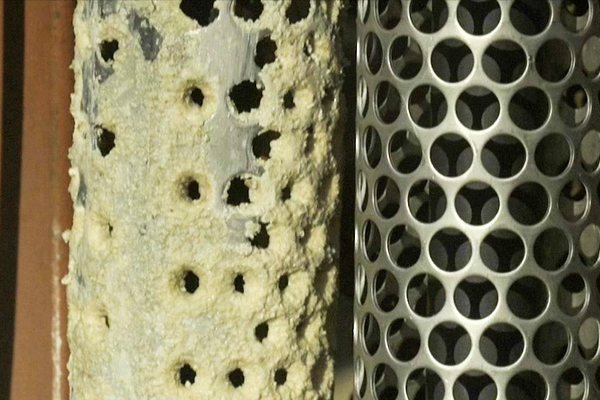
Deposit Control
The deposition of organic and synthetic contaminants in the paper and molded fiber machines is a major challenge and if not managed correctly, it can significantly reduce product quality, operational efficiency, and productivity.
Broad portfolio of deposit control products to tackle the unwanted particles in the different parts of the papermaking process.
- Efficient hydrophobic contaminant control
- Protecting starch to improve productivity and sustainability
- Effective pitch and stickies control
- Polymers for superior fixation performance
- Neutralizing disturbing substances
- Wet and Starch from bacteria
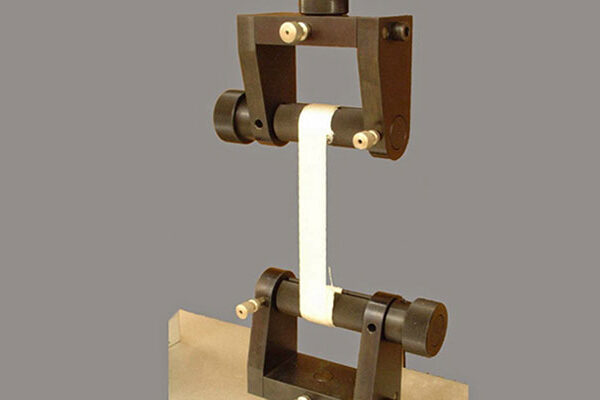
Dry Strength Resin
Dry strength is a key quality parameter for all paper and board grades.
Combined with best-in-class application expertise, our products enable paper, board, tissue and molded fiber manufacturers to manage and optimize the dry strength properties in their end-products ensuring cost-efficiency, productivity, and machine runnability.
Strength types improved by products:
- Tensile
- Burst
- Compression (SCT, RCT, CMT, CCT)
- Stiffness
- Internal (Scott bond)
- Surface (lint or dust reduction)
Benefits from dry strength increase :
You can utilize extra strength gained from using dry strength additives in multiple ways, depending on your production targets.
1. Trade-off Strength, 2. Keep Strength
Wet Strength Resin
Wet strength technologies are critical in the manufacturing of various moisture-resistant paper, board, and tissue grades and molded fiber products. Broad range of permanent wet strength additives provide high efficiency while optimizing costs and ensuring that regulatory requirements for food safety and environment are met.
High Wet Strength Efficiency :
- Chemical savings and reduced operating costs
- Reduced level of AOX and chloro-organics in paper and effluent
- More balanced charge
- Lowered risk of foam, deposits, and felt plugging
- Improved dewatering and machine runnability
Improved Wet Strength Resin Efficiency :
- Anionic Functional Promoters
- Cationic Functional Promoters
Tissue Specialties
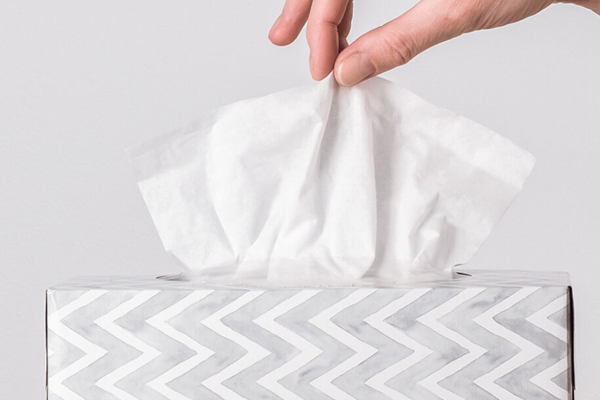
With our application expertise on tissue processes and a portfolio of tissue specialties, we help tissue and towel manufacturers to improve their machine and production efficiency while ensuring that product quality and properties meet desired targets.
- Softeners and debonders added to the thick stock at the wet end
- Improve functional chemicals sheet fixation
- Improve efficiency of organic contaminants control
- Performic acid (PFA) is a halogen-free biocide that is highly effective against primary-biofilm forming bacteria and a good fit for microbe control for tissue machines.
Lint Control
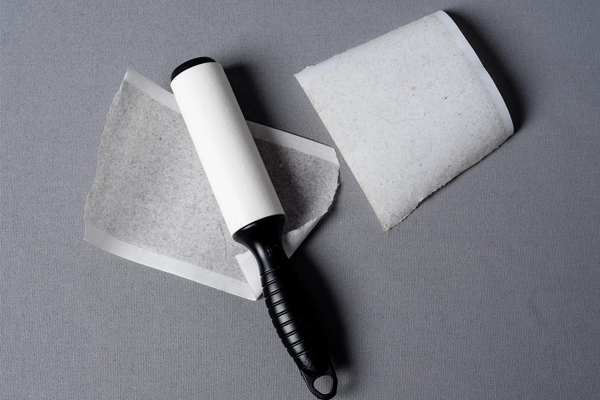
Lint control paper, often in the form of adhesive, uses sticky sheets to remove hair and fabric debris from clothing. Specialized, chemically treated dust-free paper is also used in industrial cleanrooms for manufacturing, while damp paper towels act as a simple DIY substitute to lift lint.
Adhesive Lint Rollers: These feature spirally torn or perforated sticky paper sheets, commonly used on clothes, furniture, and car interiors to pick up dust and hair.
Cleanroom Papers: These are low-lint, chemically treated sheets designed for sterile environments like pharmaceutical or semiconductor manufacturing.
Lint Removal: A slightly damp paper towel is an effective, inexpensive substitute for lifting lint off garments.