
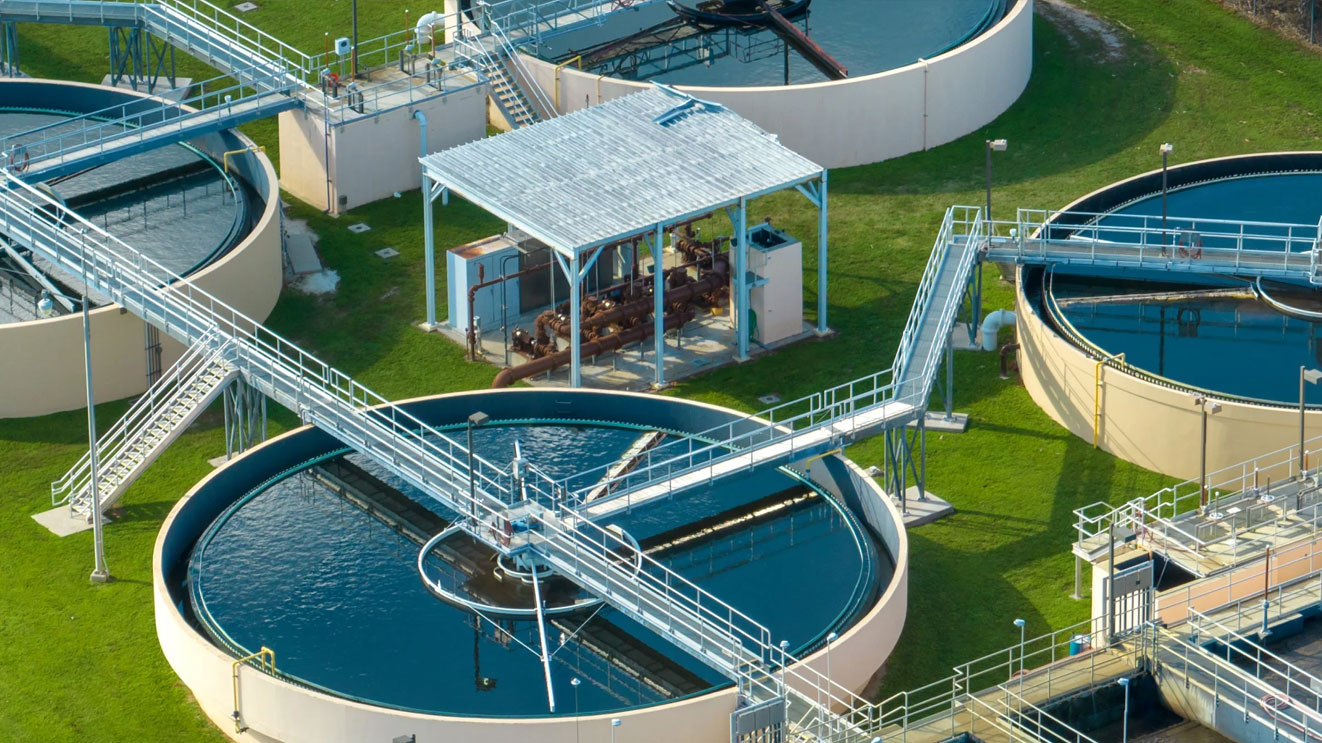
Municipal water treatment is the multi-stage process of purifying raw water from natural sources to meet regulatory drinking water standards. It involves removing contaminants via sedimentation, filtration, and disinfection (chlorine, UV, ozone) to ensure it is safe for domestic and commercial use.
Sizing Chemicals
Are products based on modified rosin, that are used for high level sizing of papers, Polyethylene derivative based product used specially for craft-paper.
Poly Ethylene Glycols
Polymer Division
Stages of Treatment
Primary Treatment (Physical/Chemical): Raw water is screened to remove large debris, followed by coagulation (adding chemicals to clump particles) and flocculation, then sedimentation to let heavy particles settle, notes Ion Exchange.
Secondary Treatment (Biological/Filtration): Water passes through filters (sand, gravel, activated carbon) to remove remaining particles, turbidity, and sometimes dissolved organic matter.
Tertiary/Final Treatment (Disinfection): Final polishing using chlorine, ozone, or UV light is performed to eliminate bacteria and viruses. Advanced methods like reverse osmosis (RO) or ultrafiltration (UF) may be used for specific contaminants, says Atlas Scientific.
Municipal Systems
Contaminants Removed: Suspended solids, pathogens (bacteria/viruses), organic compounds, and unwanted odor/taste.
Regulation: Treated water must meet strict health standards set by government bodies like the EPA.
Wastewater Treatment: Separate from drinking water treatment, this process uses primary (solids removal) and secondary (biodegradation) stages to treat sewage for safe environmental release, explains Water Technologies.
Bulk and Stiffness
We at Arcis Bio-Tech india Pvt Ltd,Madurai have a proven unique and innovative product “ AR-Bulk Improvment” which increases the “bulk” of the paper with which it is treated during the paper manufacturing process. Apart from increasing bulk, it also enhances stiffness and strength properties of paper.
Our bulking agents enable production of paper of normal thickness from a much lower amount of virgin pulp, greatly contributing to saving resources. In addition to this bulking effect, these agents improve paper properties such as strength & stiffness. This is due to in-situ crosslinking of our bulking aid formulation.
- Any increase in ‘volume’ is exclusively independent of the furnished used.
- The outcome results to improvement in porosity and enhances bulk with increased dry strength and increased stiffness properties of paper and board
- Can be used for : Tissue paper, Cardboard & Duplex Board, Writing & Printing Paper.