
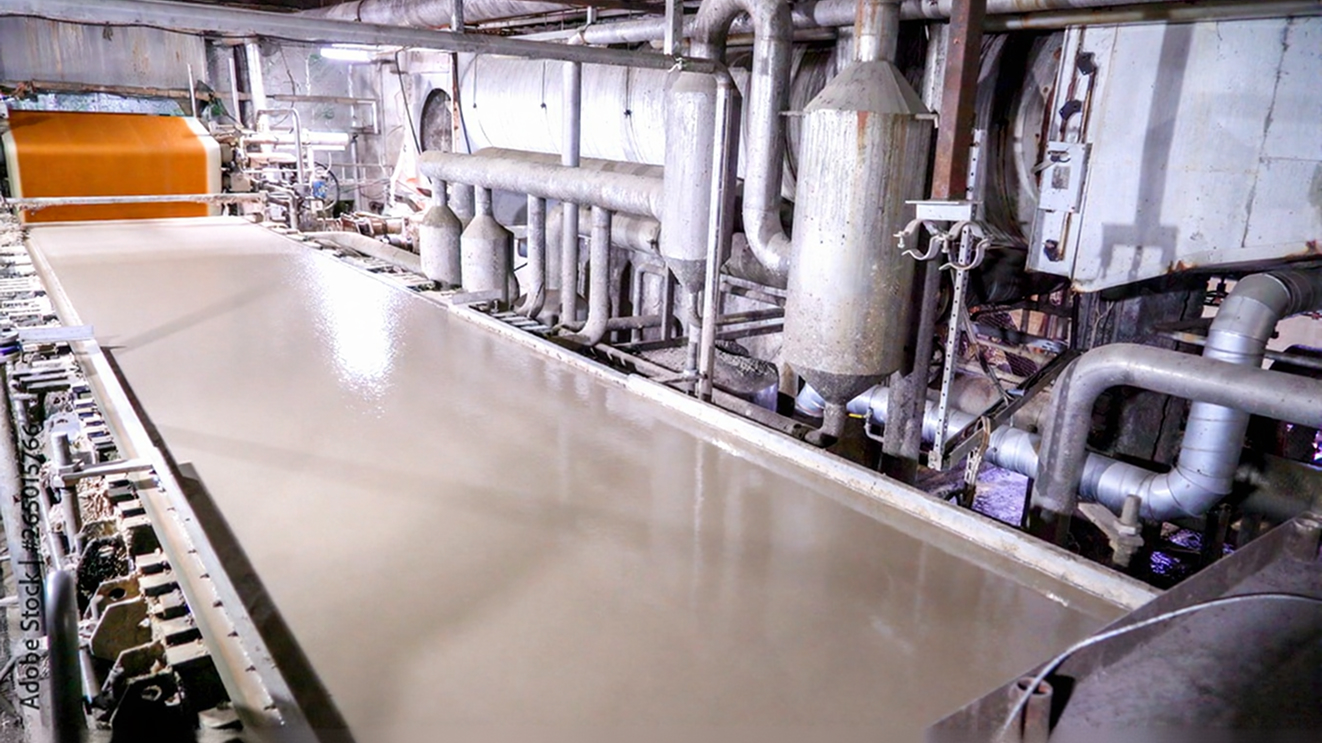
Water Processing
Water is an essential ingredient to the pulp and paper industries. Wastewater from pulp and paper processes may face regulatory scrutiny due to risks to aquatic life.
water concerns may include:
- residual bleaching agents, such as hydrogen peroxide
- reducing consumption by increasing water reuse
- total suspended solids (TSS) and turbidity
- biochemical oxygen demand (BOD/COD)
- organics (especially organochlorides)
- ammonia/nitrogen
- sodium sulfate.

Chemical treatment of wastewater has been around for a long time. It’s safe, reliable and cost-effective. The same process that happens in nature. We just accelerate it in treatment plants.
Sizing Chemicals
Are products based on modified rosin, that are used for high level sizing of papers, Polyethylene derivative based product used specially for craft-paper.
Poly Ethylene Glycols
Polymer Division
The safe and sustainable way to clean water
Effective wastewater treatment plants are vital for communities and industries around the world.
They also face tight operating budgets and are constantly looking for ways to improve efficiency. Chemicals can bring substantial energy-savings in the wastewater treatment process.
- Coagulants in addition to or instead of biological methods can save up to 50% of aeration energy in organic (BOD) removal, and can double biogas production
- Water treatment expertise and products offers solutions to all wastewater challenges.
Nutrient removal and recovery
Less and less phosphorus is allowed in wastewater treatment plant effluent. Phosphorus and Nitrogen discharge to water bodies are the main cause of eutrophication and algae blooming, which can have negative consequences for aquatic life. Phosphorus is vital for food production and animal feed. We waste a lot of the valuable P because of insufficient wastewater treatment and poor nutrient recycling.
The dominating process for the removal of phosphorus is chemical precipitation. With chemically precipitated sludge, effective nutrient recycling is also possible, making phosphorus available to plants and crops.
- Phosphorus removal is done with coagulants before the biological treatment but phosphorus can also be precipitated in the biological treatment process or as the final step of the treatment process.
- Nitrogen is normally removed in a biological process consisting of two steps – nitrification and denitrification.
Odor, corrosion, foam and scale control
Several chemical interactions are continuously occurring in your process’ water phase. This can result in troublesome odor, corrosion, foam and scale problems.
Based on our experience in troubleshooting hundreds of water treatment plants and industrial processes, we have the right chemistry to deal with any such problems.
- Most cases, problems are caused by hydrogen sulfide, H2S. Mineral scale, such as struvite, vivianite and calcite, can cause expensive and difficult problems like clogged pipes and heat exchangers, as well as damaged pumps, sensors and valves
- Foam can be a problem in many water treatment applications as well as in various production processes.
- Optimization and cost-savings without jeopardizing safety is a key component for our solutions that combine chemistry expertise and real-time monitoring and optimization.